Description
Sodium Hypochlorite (NaOCl) is one of the most widely used and effective chemical reagents for water disinfection and oxidation. In industrial and municipal water treatment, it serves as a powerful agent for eliminating microbiological threats and maintaining system hygiene.
Key Performance Benefits
-
Broad-Spectrum Disinfection: Highly effective against a wide range of waterborne pathogens, including bacteria, viruses, and algae, ensuring safety in potable water supplies.
-
Biofilm Control: Specifically engineered to penetrate and remove organic biofilms within piping networks and storage tanks, preventing secondary contamination.
-
Oxidation Capabilities: Effectively oxidizes iron, manganese, and hydrogen sulfide, facilitating their removal through subsequent filtration stages like the Multi-filter filtration systems.
-
Residual Protection: Provides a measurable chlorine residual in the distribution system, offering ongoing protection from the point of treatment to the final tap.
Ideal for Automated Systems
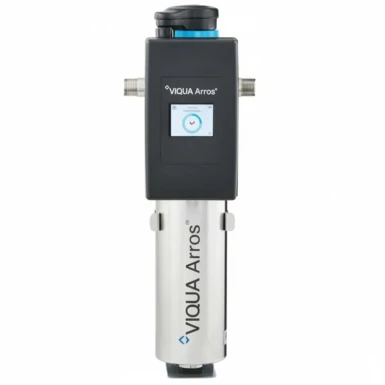
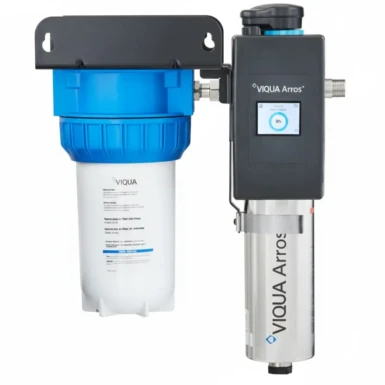
This solution is specifically formulated for use with high-precision equipment shown in your catalog:
-
Dose Systems: Perfect for automated chemical metering pumps that require consistent concentration levels for precise injection.
-
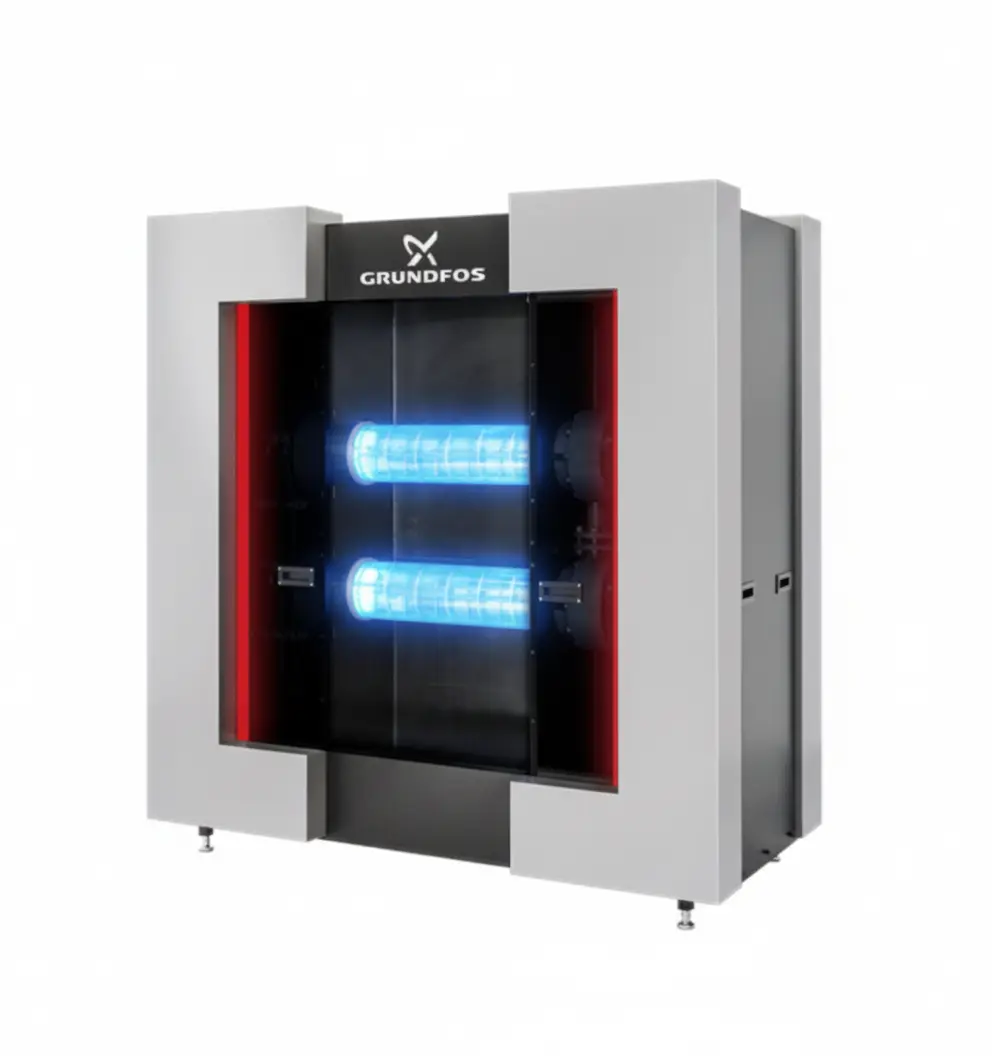
Grundfos Disinfection Units: Compatible with advanced disinfection skids that monitor and adjust chlorine levels in real-time to meet strict “Water Works” standards.
-
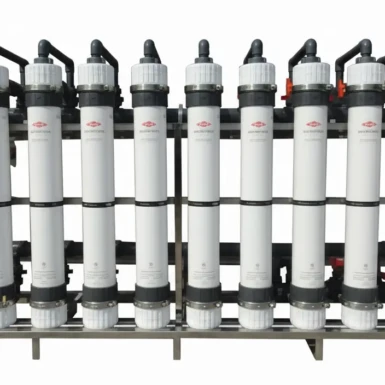
Industrial Cooling & RO Pre-treatment: Used to prevent biofouling in Reverse Osmosis (RO) and Ultrafiltration (UF) membranes, extending the life of expensive filtration components.
Core Applications
-
Water Works & Municipalities: Primary disinfection for city drinking water networks.
-
Industrial Process Water: Ensuring microbial-free water for food and beverage production or pharmaceutical manufacturing.
-
Contaminated Industrial Waters: Treating wastewater and effluent to meet environmental discharge regulations.
-
Cooling Tower Maintenance: Preventing the growth of Legionella and other harmful bacteria in large-scale cooling circuits.